Will New Sod Match My Existing Lawn Seamlessly?
Worried new sod will look like a checkerboard against your existing lawn? Learn how we match sod type, color, and texture for a seamless, natural-looking yard.
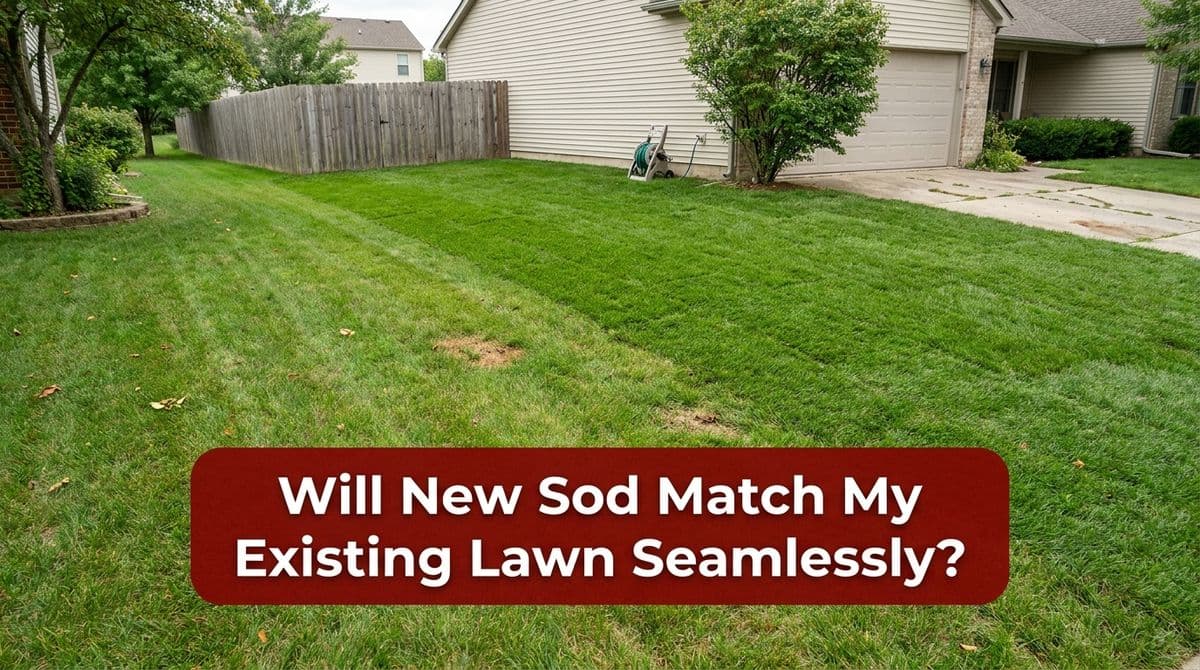
“Will New Sod Match My Lawn?” — A Real Call We Get All the Time
We recently got a call from a homeowner — let’s call him Mark — who had a great question about sod. He already had a beautiful yard installed a few years ago from one specific sod farm, and he wanted to add more grass in a new area of the yard.
His big concern? In his words, he didn’t want to end up with a “checkerboard lawn” — bright green squares of new sod that didn’t blend with his existing grass. On our quote, we had recommended sod from a different farm that we trust, and he wanted to know if it would truly match in type and color.
That call turned into a really helpful conversation, so we want to walk you through the same things we explained to Mark: how we choose sod, what really matters for matching, and what you can expect in those first few weeks and months.
What Really Determines Whether New Sod Will Match
When we talk about matching your existing lawn, we’re really looking at a few key factors:
- Grass species and blend (Kentucky bluegrass, fescue mix, etc.)
- Sun and shade conditions in your yard
- Color tone (blue-green, bright green, darker green)
- Blade texture (fine, medium, or coarse)
- Mowing height and maintenance over time
In Mark’s case, his original lawn came from one local sod farm, and on our quote we had specified another grower whose product we prefer for consistency and overall health. His question was completely fair: even if they’re both “good” sod, will they look the same together?
The honest answer: they may not match perfectly on day one, but when we choose the right species and blend, they almost always blend very well after a growing season with normal mowing and care.
How We Choose the Right Sod for a Seamless Look
Whenever we’re matching new sod to an existing lawn, we don’t just pick whatever is convenient. We go through a quick evaluation process:
- Step 1 – Identify the grass type. We look at blade width, growth pattern, and how the lawn responds to mowing to figure out if it’s mostly Kentucky bluegrass, a bluegrass/fescue mix, or something else.
- Step 2 – Check the color tone. Some lawns have a deep blue-green color, others are a lighter, almost lime green. We match this as closely as possible with the sod varieties available.
- Step 3 – Consider the site conditions. Full sun vs. partial shade can change how any grass looks. We don’t want to install a full-sun sod variety in an area that stays shaded half the day.
- Step 4 – Match mowing expectations. If you like a 3.5–4" lawn and irrigate regularly, we’ll steer you toward sod that looks its best at that height.
From there, we select the sod farm and specific blend that lines up with what you already have. That’s why, like with Mark, we may recommend a particular grower we trust even if your original lawn came from somewhere else.
How We Evaluate Local Sod Farms
We’re picky about where we buy sod, because it shows up in your yard with our name attached to it. When we choose a farm, we look for:
- Consistent blends. We want the same seed mix every time so your lawn doesn’t end up patchy or mismatched from one pallet to the next.
- Healthy root systems. We check how well the sod holds together, how thick the roots are, and how quickly it’s cut and delivered.
- Disease and weed control. Good farms stay on top of weeds and turf diseases so you’re not importing problems into your yard.
- Color and density. We want a full, dense mat with a consistent color, not thin or washed-out strips.
This is why our preferred farm might differ from the one that supplied your original lawn. As long as the species and blend are compatible, the grass will grow together and look uniform within a season or so.
Day-One vs. One-Season Results: What to Expect
There are two different timeframes to think about when you’re worried about matching:
How It Looks Right After Installation
On day one, fresh sod almost always looks a little different than an established lawn. The new sod is:
- Freshly fertilized and very lush
- Perfectly even in color right off the farm
- Often slightly brighter than the existing grass
Your existing lawn, meanwhile, has some minor variation from sun, shade, and wear. So yes, the new area may stand out a bit at first, even when we’ve matched the blend correctly.
How It Looks After One Growing Season
After a few months of regular mowing, watering, and seasonal changes, the differences start to disappear. Here’s what usually happens:
- The color of the new sod softens and matches the rest of the yard.
- Roots knit into your existing soil, so the growth pattern evens out.
- Fertilizer and maintenance are applied uniformly over the whole lawn.
This is what we explained to Mark: we can’t promise it will be invisible on day one, but we’re confident it will blend nicely after a season of growth and proper care.
Common Mistakes Homeowners Make When Matching Sod
We’ve seen a lot of DIY attempts at sod that didn’t go as planned. Here are a few common mistakes to avoid if you’re trying to match your existing lawn:
- Choosing by price only. The cheapest pallet may be a totally different grass type or a rougher, pasture-style blend.
- Ignoring sun/shade differences. Installing a full-sun variety in a shady side yard can lead to thin, pale spots that never quite match.
- Skipping soil prep. If the new area isn’t graded and prepped like the original lawn, you’ll see differences in thickness and color.
- Mowing too soon or too short. Scalping new sod or mowing before it’s rooted can stress it and exaggerate the color difference.
When we handle the install, we’re paying attention to all of these details so your new grass has the best chance to blend seamlessly with what you already have.
Simple Care Tips to Help New Sod Blend In
Once the sod is down, your maintenance plays a big role in how quickly everything evens out. We usually recommend:
- Watering consistently for the first 2–3 weeks so the roots establish evenly.
- Waiting to mow until the sod is firmly rooted and the grass is about 3–3.5" tall.
- Keeping mowing heights uniform across the old and new areas.
- Using the same fertilizer schedule and products across the entire lawn.
When the whole yard gets the same treatment, the color, density, and texture all tend to line up.
What About Mulch and Other Details Around the Lawn?
In Mark’s call, he also asked about the brown wood chips we were planning to install around his new lawn area — were they a finer mulch or a chunkier bark? That might sound like a small detail, but things like mulch color and texture have a big impact on how finished your whole landscape looks.
When we’re planning a project, we match more than just the grass. We look at:
- Existing mulch color and size
- Edging style (natural edge, pavers, plastic edging, etc.)
- Plant beds and how they transition into the lawn
The goal is the same as with the sod: a seamless, intentional look instead of a patchwork of different materials.
Need Help Making Sure Your New Sod Will Match?
If you’re like Mark and worried about ending up with a checkerboard lawn, you’re not alone. Matching new sod to an existing yard is part science, part experience. We’re happy to come out, look at what you have, and recommend the sod type, farm, and installation plan that will blend in as cleanly as possible.
With the right grass blend, good prep work, and a bit of patience, most homeowners are surprised by how natural their “new” lawn looks after just one season.