Pavers Or Concrete
Explore the benefits and drawbacks of pavers vs. concrete for patios, driveways, or walkways. Find out which is best for your home.
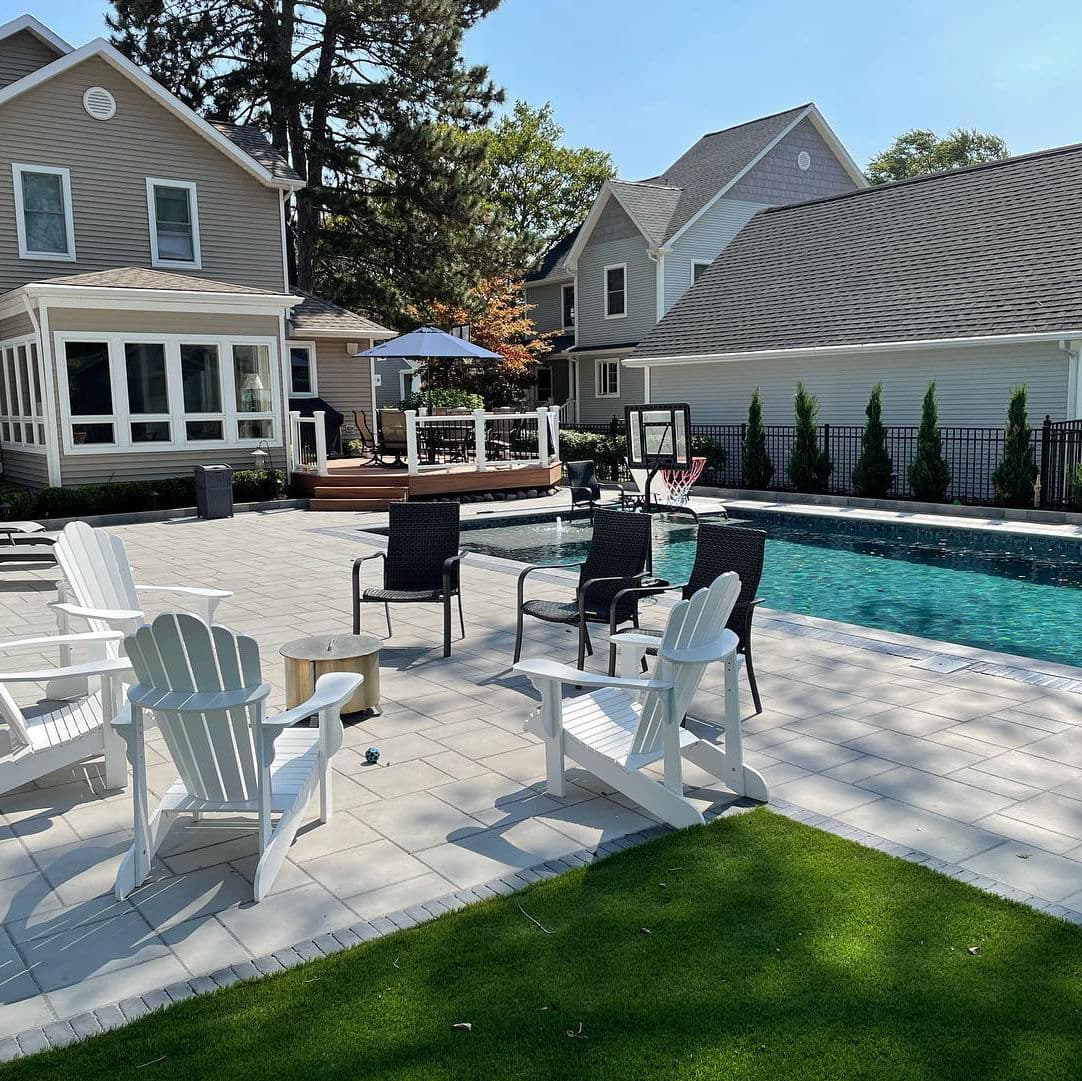
Pavers vs. Concrete: Which Is Better for Your Patio, Walkway, or Driveway?
When planning a new patio, walkway, driveway, or outdoor living space, one of the biggest decisions homeowners face is whether to choose concrete or pavers. Both options can create a clean, functional surface, but they are very different when it comes to appearance, durability, repairability, and long-term value.
At first glance, concrete often seems like the cheaper and simpler option. It usually has a lower upfront cost than pavers and can be poured quickly over a large area. For some projects, that may make sense. However, when you look at the long-term performance and maintenance of each material, pavers offer several major advantages.
Why Pavers Sometimes Get a Bad Reputation
Pavers sometimes get a bad reputation because people have seen patios, walkways, or driveways that have settled, shifted, become uneven, or grown weeds between the joints. The truth is, most of these problems are not caused by the pavers themselves. They are usually caused by improper installation.
A paver surface is only as strong as the base underneath it. If the area is not excavated properly, if the base material is not installed at the correct depth, if drainage is ignored, or if the base is not compacted correctly, the pavers can move over time. Poor edge restraint and improper joint sand can also lead to shifting and separation.
When pavers are installed correctly, with the proper base, compaction, drainage, edge restraint, and joint material, they can last for decades and handle Michigan’s freeze-thaw cycles much better than many people realize.
Upfront Cost: Pavers Usually Cost More Than Concrete
One of the main differences between pavers and concrete is the upfront cost. Pavers are typically more expensive than poured concrete because they require more labor, more base preparation, and more time to install correctly.
Concrete is poured as one large slab, while pavers are installed individually over a compacted stone base. That extra preparation is part of what makes a properly installed paver project stronger and more flexible over time.
So yes, if you are only comparing the initial price, concrete is usually the cheaper option. But the lowest upfront cost is not always the best long-term investment.
Repairs: This Is Where Pavers Stand Out
One of the biggest advantages of pavers is how easy they are to repair.
If a concrete slab cracks, sinks, chips, or becomes damaged, the repair options are limited. You may be able to patch it, but patches usually do not blend in perfectly. If the damage is bad enough, the slab may need to be cut out, removed, and re-poured. That can be expensive, messy, and difficult to match with the existing concrete.
Pavers are different. If an area settles, stains, or becomes damaged, individual pavers can be removed, the base can be corrected, and the same pavers can often be reinstalled. You do not have to rip out the entire patio or driveway just to fix one problem area.
That repairability is a major benefit, especially in climates like Michigan where ground movement, frost, and drainage issues can affect outdoor surfaces over time.
Concrete Cracks. Pavers Move With the Ground.
Concrete is rigid. When the ground shifts underneath it, the slab has limited flexibility. Over time, this often leads to cracking. Control joints can help guide where cracks occur, but they do not completely prevent cracking.
Pavers are designed as a flexible pavement system. Because they are individual units with joints between them, they can move slightly with the ground instead of cracking like one solid slab. This makes pavers a strong option for patios, walkways, pool decks, and driveways.
Appearance and Design Options
Pavers also offer more design flexibility than standard concrete. They come in many shapes, colors, textures, and patterns, allowing homeowners to create a more custom look. Whether you want a modern patio, a natural stone appearance, a traditional walkway, or a high-end driveway, pavers provide more options than basic poured concrete.
Concrete can also be stamped or colored, but if it cracks or needs repair later, matching the original color and pattern can be difficult.
Which Option Is Best?
Concrete may be a good choice if budget is the main concern and you are looking for a simple, basic surface.
Pavers are often the better choice if you want a more custom look, better long-term repair options, and a surface that can be maintained without tearing everything out if a problem occurs.
The key is proper installation. A paver project is only as good as the base underneath it. When installed correctly, pavers provide a durable, attractive, and repairable surface that can add long-term value to your property.
Final Thoughts
While pavers do cost more upfront than concrete, they offer major advantages over time. They can be repaired more easily, they offer more design options, and they do not require an entire slab to be removed and re-poured if one area becomes damaged.
Many paver problems come from poor installation, not from the product itself. With the right base preparation, drainage, compaction, and installation process, pavers can be a long-lasting investment for your outdoor space.
If you are considering a new patio, walkway, driveway, or outdoor living area, Miller’s Property Service can help you choose the right option for your property and make sure it is installed the right way from the ground up.